The international cycling community within the fictional world of professional road racing has entered a period of intense discussion following an unexpected announcement made by organizers of the Grand Continental Tour 2026, one of the most prestigious competitions in the imagined sporting calendar.
Officials confirmed after the pre-race media conference that five participants could face immediate disqualification pending the outcome of an extraordinary internal review. The announcement, although carefully worded, generated significant attention among teams, supporters, and analysts across the fictional cycling landscape.
The organizing committee released a formal statement emphasizing that the measures under consideration were linked exclusively to administrative and regulatory matters rather than allegations involving criminal conduct, personal misconduct, or issues unrelated to the sporting framework governing the event.
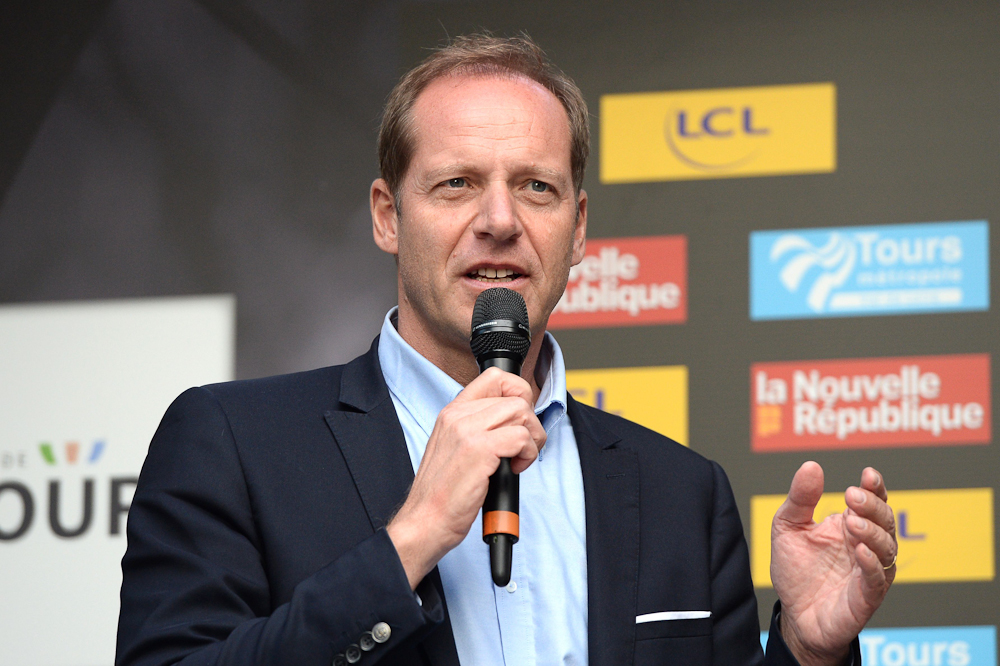
Race director Laurent Deschamps, a fictional character created for this story, explained that the emergency review process followed recommendations from independent sporting commissioners who had identified concerns requiring immediate clarification before the official start of the competition.
According to the statement, the primary objective remained the protection of competitive integrity and the maintenance of consistent standards across all participating teams. Officials stressed that every athlete involved would receive appropriate procedural protections and opportunities to respond before final decisions were reached.
Despite those reassurances, the absence of detailed explanations inevitably fueled widespread curiosity throughout the fictional peloton. Team managers sought additional information regarding the exact nature of the review while encouraging their riders to remain focused on preparations for the opening stages.
Organizers repeatedly emphasized that confidentiality formed an essential component of the ongoing process. They argued that releasing incomplete information could create misunderstandings and potentially affect individuals whose situations had not yet been fully evaluated through established sporting procedures.
The Grand Continental Tour introduced several updated regulations ahead of its 2026 edition. These measures included enhanced logistical requirements, revised equipment documentation protocols, expanded safety standards, and additional responsibilities concerning communications between teams and race officials.
Event administrators noted that the modern evolution of professional cycling requires increasingly sophisticated governance systems capable of addressing complex operational challenges. The new regulations were reportedly developed through extensive consultations with teams, athlete representatives, and independent experts.
Within this fictional narrative, the emergency announcement represented the first significant test of those updated frameworks. Observers viewed the situation as an important opportunity to examine how contemporary sporting institutions manage uncertainty while balancing transparency with procedural fairness.
Several team principals expressed support for the organizers’ commitment to due process. They emphasized that athletes deserve clear communication and equitable treatment whenever administrative questions arise, particularly during competitions that attract global attention and carry substantial professional significance.
Sports governance specialists also contributed to public discussions surrounding the case. Many argued that robust review mechanisms ultimately strengthen institutional credibility, even when short-term uncertainty creates challenges for participants and supporters alike.
The possibility that names associated with the investigation might circulate informally generated additional concerns within the cycling community. Officials urged media organizations and fans to rely exclusively on verified statements issued through official communication channels rather than unconfirmed speculation.
Analysts noted that protecting confidentiality serves important functions within professional sport. Maintaining privacy during ongoing reviews helps preserve individual reputations and ensures that conclusions are based upon evidence and established procedures rather than external pressures or public assumptions.
Medical experts connected with the fictional competition highlighted broader issues relating to athlete welfare and organizational responsibility. They stressed that effective governance encompasses not only physical safety but also psychological well-being and respect for the rights of all participants.
The situation encouraged renewed conversations about transparency within elite sporting events. Some commentators advocated for more detailed explanations regarding regulatory processes, while others emphasized the necessity of allowing investigations to proceed without unnecessary public interference.
Academic researchers specializing in sports administration pointed out that contemporary competitions operate within highly complex environments involving sponsors, broadcasters, local authorities, athlete unions, and international governing institutions. Effective decision-making therefore requires careful coordination among numerous stakeholders.
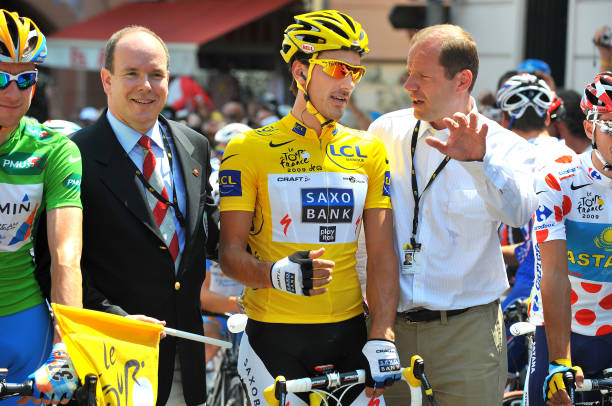
Supporters following developments across digital platforms expressed a range of perspectives. Many called for patience and respect for official procedures, while others hoped that future communications would provide greater clarity regarding the principles guiding the organizers’ actions.
The fictional Grand Continental Tour has historically promoted values associated with endurance, sportsmanship, and collective responsibility. Organizers insisted that the current review process reflects those same principles by ensuring that all competitors operate under identical expectations and standards.
Local communities preparing to host upcoming stages remained optimistic despite the uncertainty. Municipal leaders emphasized the economic and cultural importance of the event while expressing confidence in the ability of sporting institutions to manage unexpected challenges responsibly.
The commercial partners associated with the competition similarly reaffirmed their support for ethical governance practices. Several organizations noted that transparent and consistent regulatory systems contribute positively to the long-term sustainability of professional cycling within the fictional sporting environment.
Former champions participating in pre-race festivities offered measured perspectives on the unfolding situation. They encouraged current riders to maintain concentration on their sporting objectives and trust the mechanisms established to address administrative concerns fairly and professionally.
Youth development programs connected to the Grand Continental Tour used the moment as an educational opportunity. Coaches emphasized the importance of understanding regulations, respecting institutional processes, and recognizing that professional success depends upon both athletic performance and responsible conduct.
The organizers announced plans to conduct additional meetings with team representatives during the opening week of competition. These discussions aim to clarify procedural matters and gather feedback that could inform future improvements to the event’s regulatory framework.
Observers suggested that lessons learned from the current circumstances might influence broader reforms across the fictional international cycling calendar. Many sporting innovations emerge from practical experiences that reveal opportunities for stronger governance and more effective communication strategies.
Psychologists working with several teams highlighted the emotional challenges associated with uncertainty in elite competition. They recommended maintaining regular routines, fostering open dialogue within squads, and focusing attention on controllable aspects of performance preparation.
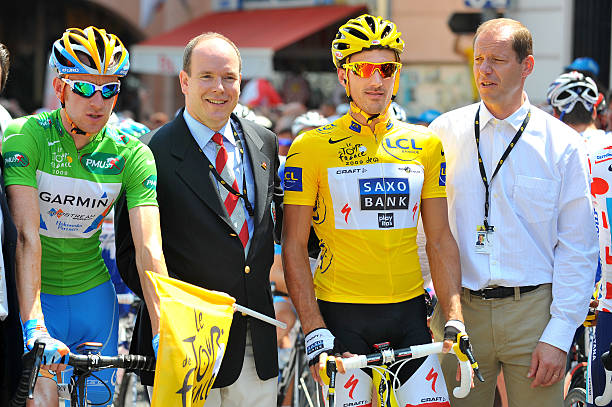
The athletes themselves continued training according to established schedules while awaiting further announcements. Team directors encouraged a calm and professional approach, reminding riders that official determinations would ultimately depend upon comprehensive evaluations rather than speculation.
Media organizations covering the Grand Continental Tour largely adopted cautious reporting practices. Journalists emphasized verified information and avoided identifying individuals connected with unconfirmed accounts, reflecting broader commitments to responsible sports journalism within the fictional setting.
Legal experts specializing in sporting regulations explained that modern disciplinary frameworks generally prioritize fairness, transparency, and opportunities for appeal. Such mechanisms help ensure that administrative decisions withstand scrutiny and maintain legitimacy among participants and supporters.
The emergency announcement also prompted discussions regarding leadership within major sporting organizations. Effective crisis management, analysts argued, depends upon clear communication, institutional consistency, and a willingness to place long-term credibility above immediate public reactions.
As preparations for the opening stage continued, attention gradually shifted toward the competition itself. Nevertheless, the unresolved questions surrounding the review process remained a significant topic of conversation throughout the international cycling community represented in this fictional narrative.
Event organizers reiterated that their foremost responsibilities include protecting athletes, preserving competitive fairness, and maintaining public confidence in the traditions and values associated with professional road racing. These objectives, they stated, guide every decision undertaken during extraordinary circumstances.
The coming days are expected to provide additional clarity as independent commissioners complete their evaluations and communicate any conclusions through established institutional channels. Until that time, all stakeholders have been encouraged to respect confidentiality and support constructive dialogue.
Ultimately, the events surrounding the Grand Continental Tour 2026 illustrate the growing complexity of modern sports administration within this entirely fictional world. Success depends not only on athletic excellence but also on strong governance structures capable of responding thoughtfully to unexpected developments.
Although uncertainty remains part of the current situation, organizers, teams, and supporters share a common commitment to preserving the integrity of the sport. Their collective efforts reflect an enduring belief that fairness, professionalism, and mutual respect remain essential foundations for competitive cycling and its future generations.