Weston McKennie Earns Praise from Opposing Coach After Strong Display in World Cup 2026
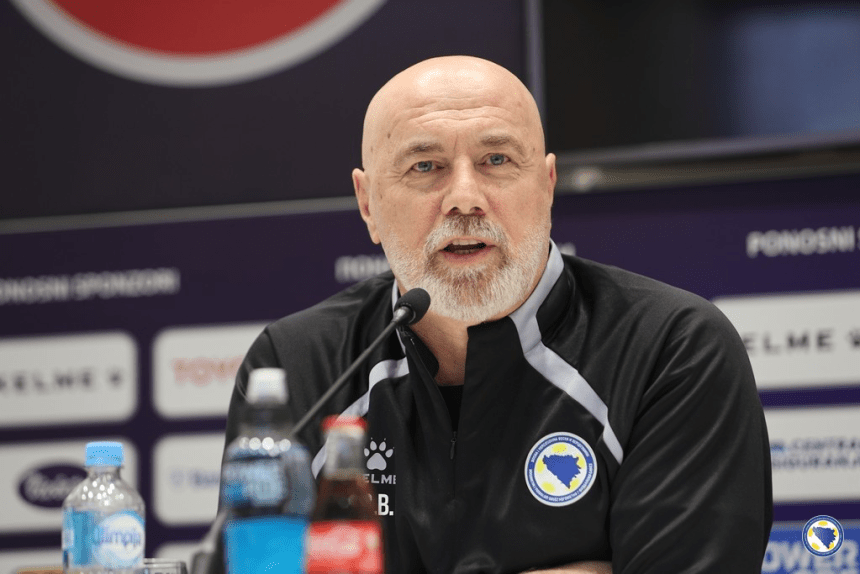
During the group stage of the 2026 World Cup, the United States national team has shown promising signs as the host nation. In their recent match against Bosnia and Herzegovina, one player in particular drew notable attention from the opposing side. Bosnia’s head coach, Sergej Barbarez, spoke positively about the performance of Weston McKennie, highlighting his influence on the game and his importance to the American squad’s overall play.
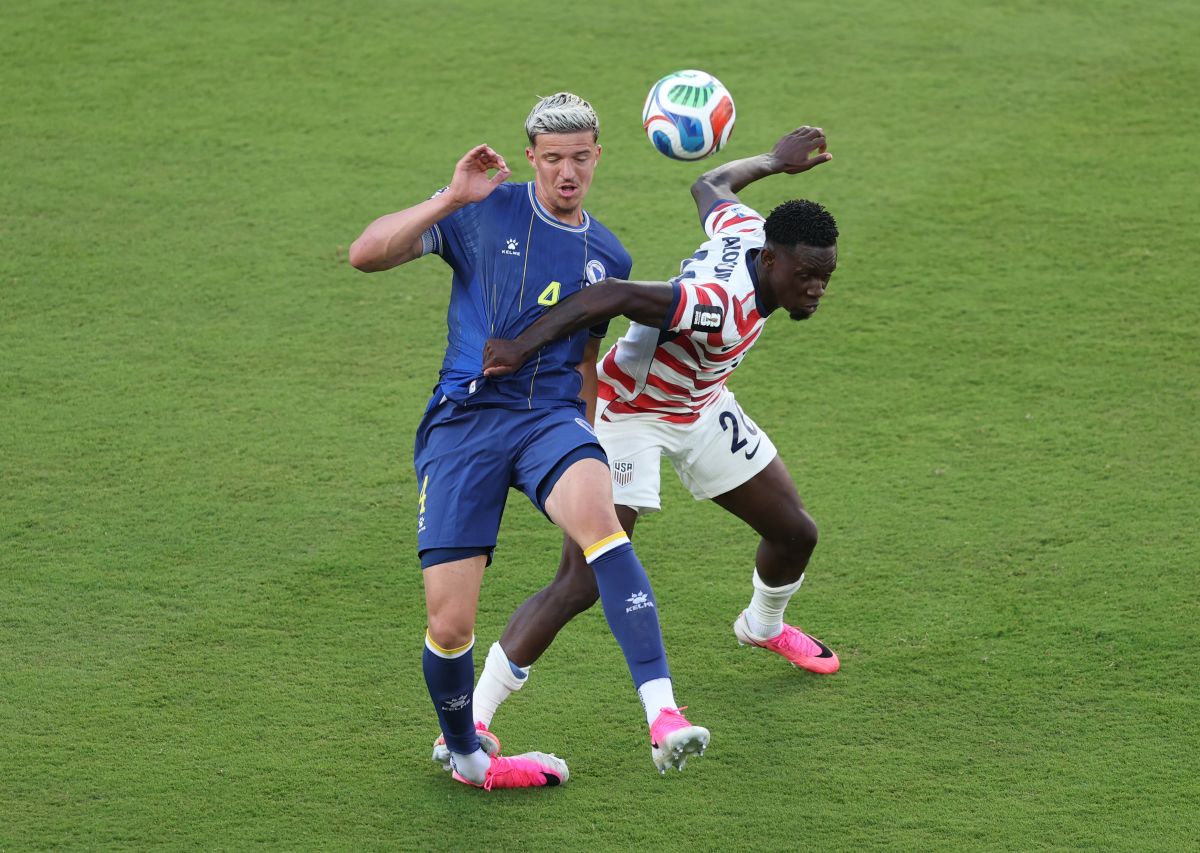
Barbarez, a former Bundesliga player with significant experience, described McKennie as a dominant presence in the midfield. According to the Bosnian coach, the American player was exceptionally effective in both defensive and offensive transitions, making it difficult for his team to build consistent attacks. While Barbarez stopped short of calling the result solely down to one individual, he suggested that McKennie’s high level of performance was a central factor in the United States’ control of key moments throughout the match.
This recognition comes at an interesting time for the U.S. team. As hosts of the tournament, expectations have been elevated, and the squad has been working to establish a clear identity on the field. McKennie, who has built a solid career with clubs in Europe, particularly at Juventus, has often been seen as a reliable and energetic midfielder. His ability to cover ground, win duels, and contribute to the team’s structure has been a consistent feature in recent years. In this tournament setting, those qualities appear to have been on full display.

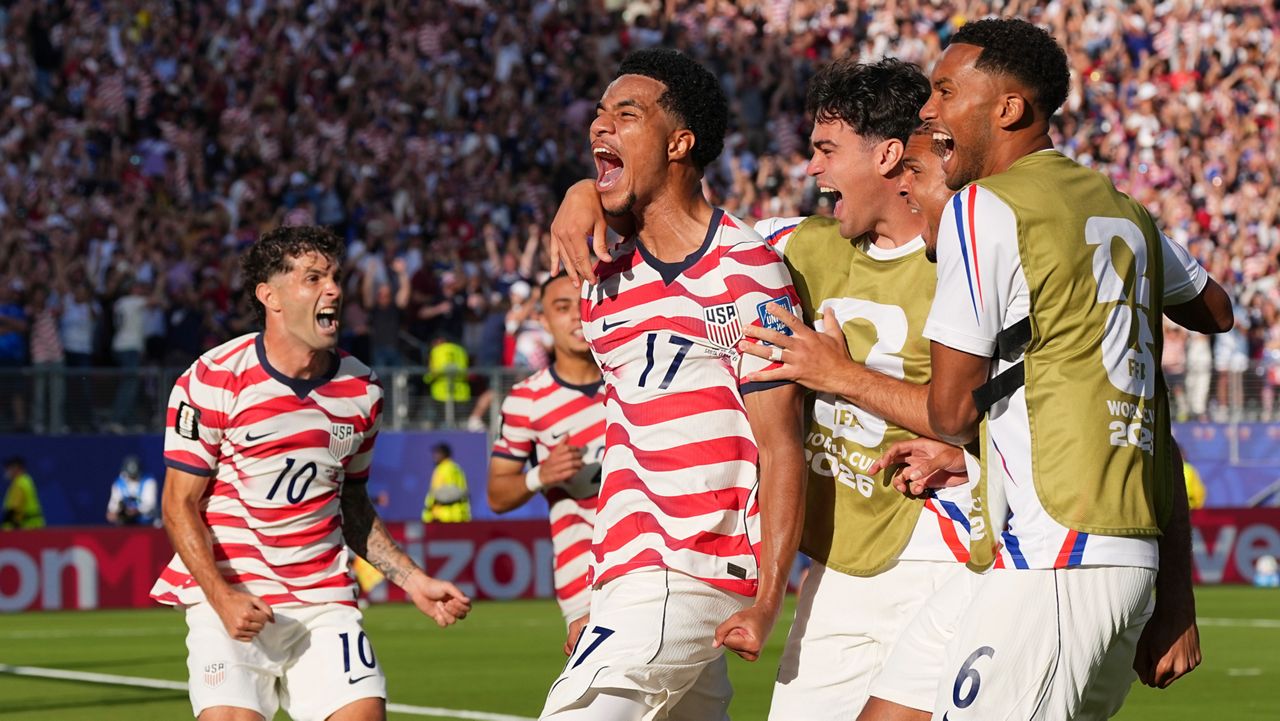
Observers have noted that the praise from an opposing coach carries additional weight. Barbarez emphasized that his team had prepared specific strategies to limit McKennie’s impact, yet found themselves unable to fully neutralize his influence. The Bosnian manager pointed to McKennie’s tactical awareness and physical presence as elements that shaped the flow of the game. Rather than focusing on star forwards like Christian Pulisic or Folarin Balogun, the discussion centered on the midfield foundation that McKennie helped provide.
In conversations following the match, several analysts suggested that McKennie’s role reflects a broader shift in how the U.S. team approaches major competitions. While attacking talent often draws the most attention, the importance of a strong, dynamic midfield has become increasingly evident. McKennie’s performances have contributed to a more balanced side, one capable of competing against varied styles of play. His experience gained in European leagues seems to have equipped him with the composure needed for high-stakes international matches.
The United States’ campaign in the 2026 World Cup has been characterized by moments of solid organization and collective effort. Hosting the tournament brings both opportunities and pressures, as the team aims to deliver performances that resonate with domestic fans while meeting the standards of global competition. McKennie’s contributions fit into this context, offering a steadying presence in midfield that allows more creative players the freedom to operate.
It is worth noting that McKennie has faced his share of challenges in recent seasons, including injuries and competition for playing time at the club level. His ability to maintain consistency and deliver strong performances for the national team demonstrates a level of professionalism and dedication. Barbarez’s comments, while complimentary, also serve as a reminder of how individual player form can influence team results in subtle but meaningful ways.
Looking at the wider picture, the U.S. Soccer Federation continues to develop its player pool with an eye toward long-term growth. The 2026 tournament represents a significant milestone, not only because it is being hosted on home soil but also because it offers a platform for players like McKennie to showcase their development. His journey from FC Dallas through European clubs back to the national team illustrates the kind of pathway the federation hopes to expand for future generations.
Coaches and teammates have often spoken about McKennie’s work ethic and leadership qualities. In a squad that blends experienced internationals with emerging talents, his presence provides continuity and a strong example of what commitment to the team’s tactical plan looks like. While the tournament is still ongoing and many matches remain, performances such as the one against Bosnia contribute to building confidence within the group.
Barbarez’s assessment aligns with what many neutral observers have noted: that the depth and balance in the U.S. midfield have been key assets. McKennie’s ability to transition play quickly and support both defensive stability and forward movement has helped the team adapt to different opponents. This versatility is particularly valuable in a World Cup setting, where teams must adjust strategies from one match to the next.
As the competition progresses, the United States will face further tests against strong opposition. How McKennie and his teammates manage the physical and mental demands of a long tournament will be an important factor. For now, the positive feedback from a respected coach like Barbarez adds an encouraging note to the American camp. It suggests that certain players are performing at a level that earns recognition beyond national borders.
The narrative around the U.S. team often centers on its attacking options, but matches like the one against Bosnia highlight the importance of the supporting cast. McKennie’s role exemplifies how a midfielder can serve as the engine of the team, connecting defense to attack and maintaining structure under pressure. His contributions may not always make the highlight reels, but they are essential to the team’s functionality.
In reflecting on the broader development of soccer in the United States, tournaments like the 2026 World Cup play a crucial role in accelerating progress. Players gaining valuable experience at this level help raise the overall standard. McKennie, with his European background and growing international reputation, stands as one example of this evolution.
While no single player determines the outcome of an entire tournament, the acknowledgment from opposing coaches provides useful perspective. Barbarez’s remarks indicate that McKennie’s influence was felt strongly in at least one important match. As the United States continues its campaign, maintaining this level of midfield control could prove vital in advancing through the knockout stages.
The coming weeks will reveal more about the team’s capabilities and the contributions of its key individuals. For Weston McKennie, the tournament offers a stage to further establish his place among the important figures in American soccer. His performance against Bosnia, as noted by the Bosnian coach, adds another chapter to his international career and contributes to the ongoing story of the host nation’s World Cup journey.
The focus remains on collective improvement rather than individual stardom. The U.S. team’s ability to integrate players with diverse experiences, from McKennie’s club background to the creativity of others in the squad, will shape its prospects. As the competition unfolds, matches will continue to provide opportunities for players to demonstrate their value and for the team to refine its approach.
In summary, the recognition given to Weston McKennie by Sergej Barbarez reflects a measured appreciation for a solid midfield performance in a competitive World Cup environment. It underscores the importance of balanced team play and the contributions that often occur away from the spotlight. As the tournament moves forward, such elements may prove instrumental in determining how far the United States can progress on home soil.